.png)


Stop Wasting 2+ Hours on Notes: 5 AI Clinical Documentation Hacks for Zero Rework
Let’s be honest: nobody went through years of clinical training because they had a passion for data entry. Whether you’re a physician, a nurse practitioner, or a physical therapist, you probably didn’t envision your career involving "pajama time", that lovely window between 9:00 PM and midnight where you’re frantically catching up on charts.
Right now, the average clinician spends over two hours every single day just on documentation. That’s ten hours a week. Forty hours a month. It’s an entire work week gone, swallowed by the EHR.
But here’s the kicker: it’s not just the time spent writing the notes; it’s the rework. It’s the "kicked back" claims, the clarification requests from billing, and the nagging fear of a Medicare audit because a signature was missing or a phrase didn’t meet 42 CFR 484 documentation requirements.
I’m Kevin, and at CareMetric AI, we’re obsessed with giving that time back to you. We’ve seen clinicians achieve a 70% documentation time reduction by shifting how they work. Today, I’m sharing five AI-driven hacks to help you reclaim 2–3 hours of your day while ensuring your notes are bulletproof.
1. Swap Manual Typing for Ambient AI Clinical Documentation
If you’re still clicking through drop-down menus while your patient is trying to tell you about their chronic back pain, you’re losing the room, and your time. The first "hack" is to stop being a stenographer and start being a clinician again.
AI clinical documentation has evolved far beyond basic medical dictation software. Instead of you repeating what happened after the patient leaves, ambient AI "listens" to the natural conversation. It filters out the small talk about the local football team and focuses on the clinical meat.
By using an ambient scribe, you’re not just saving time; you’re improving the quality of the note. Real-world data shows that this approach leads to 15–25% quality and compliance improvements because the AI doesn’t forget the small details you might skip when you’re charting three hours later.
2. Use an AI SOAP Note Generator Tailored to Your Specialty
A major reason for rework is that generic templates don't capture the nuances of different specialties. A chiropractor’s SOAP note looks nothing like a mental health counselor’s note.
When you use a specialized AI SOAP note generator, the system understands the specific "language" of your field. For mental health professionals, this means balancing the need for detail with the strict privacy requirements of the field. For physical therapists, it means tracking functional goals with precision.
The "hack" here is to stop using the "copy-paste" method from your last visit. That’s a red flag for auditors. Instead, let the AI generate a unique, patient-specific draft based on the current encounter. This ensures your notes are always fresh and accurate, which is the first step toward achieving 99% Medicare compliance.
3. Implement Live Validation to Stop Rework Before It Starts
Rework happens when you finish a note, send it off, and get it back three days later with a "Please Clarify" sticky note from the billing department.
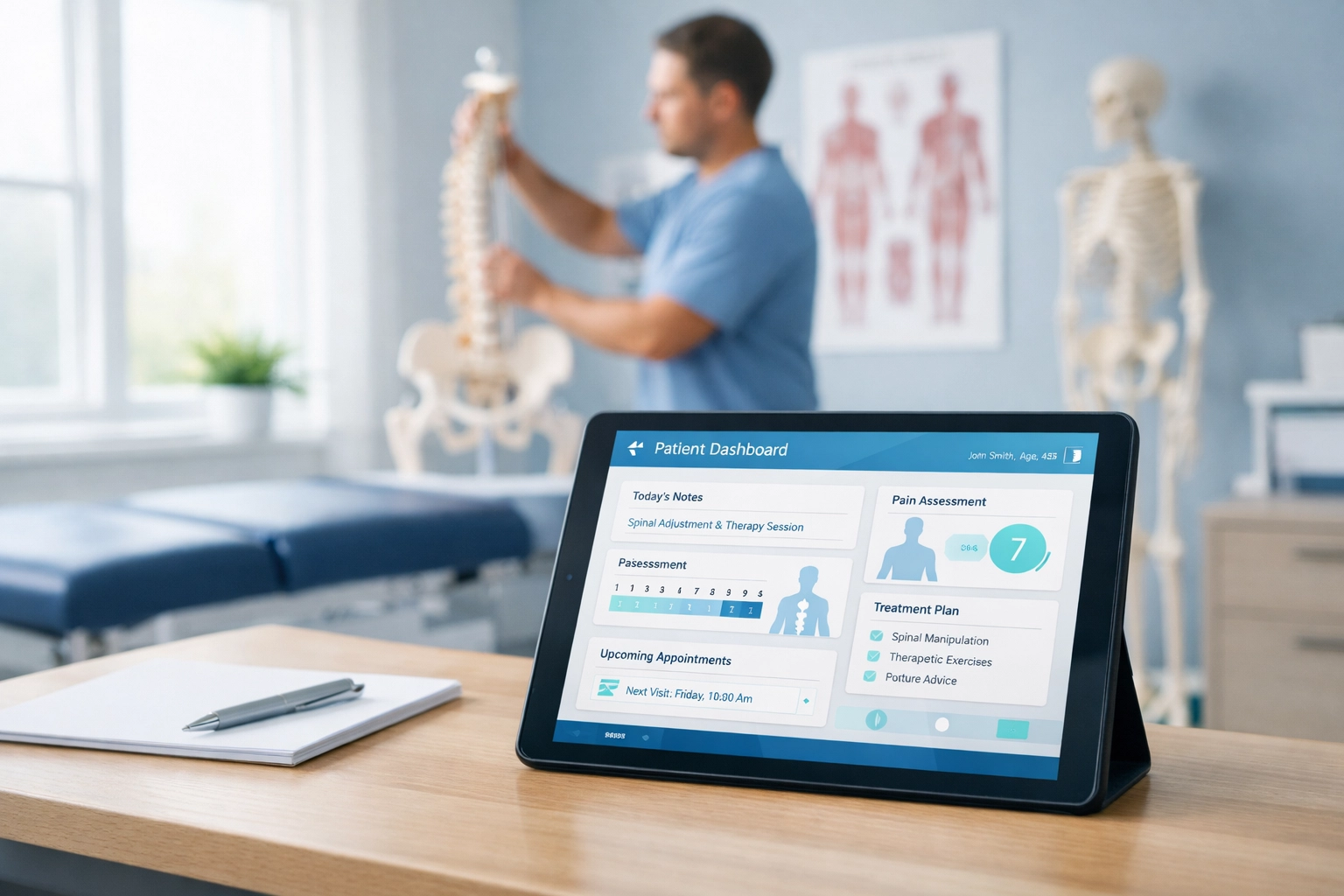
The most effective clinical documentation improvement software doesn't just help you write; it validates in real-time. Think of it like a clinical "spell-check" but for compliance. If you’re in home health, the system should know the 42 CFR 484 documentation requirements inside and out. If you miss a required element for a Medicare-reimbursable visit, the AI should flag it before you hit submit.
This is how our users reach that 99% Medicare compliance mark. By catching errors at the point of care, you eliminate the back-and-forth with the back office. If you want to dive deeper into how to set this up, check out our guide on 7 workflow hacks to reduce clinician documentation time by 70%.
4. Leverage Real-Time Clinical Decision Support
Documentation isn't just about recording the past; it's about guiding the future. One of the coolest hacks is integrating real-time clinical decision support into your documentation workflow.
As you or the AI records the patient’s symptoms and history, the system can use predictive analytics in healthcare to suggest potential risks or necessary screenings. For example, if a patient’s vitals and history suggest an increased risk for a fall, the AI can prompt you to document the fall-risk assessment immediately.
This does two things:
It ensures the patient gets the best care possible.
It ensures the documentation reflects that high-quality care, which is vital for Medicare compliant documentation.
Instead of searching through old records to find a trend, let the AI surface those patterns for you. It’s the difference between being reactive and being proactive.
5. Master Your Home Health Documentation Software
Home health clinicians face some of the toughest documentation hurdles in the industry. The travel time alone is a killer; adding two hours of charting at the end of a long day of driving is a recipe for burnout.
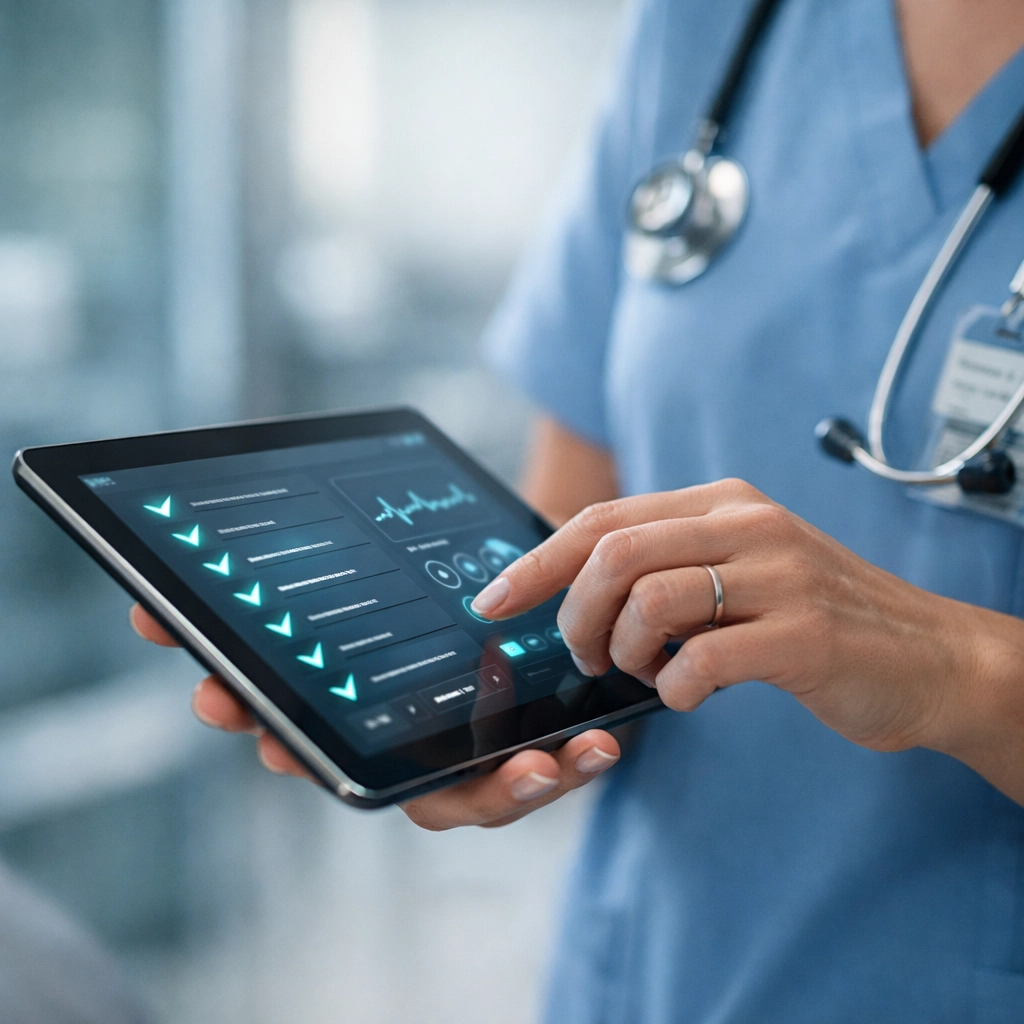
If you’re working in this space, your home health documentation software needs to be mobile-first and offline-capable. The hack here is "documenting in the driveway." Using an AI tool to summarize the visit immediately after you leave the house: while the details are still fresh: can save you from having to "reconstruct" the day later that night.
Because Medicare has such specific requirements for home health, especially around the "homebound" status and "skilled need," having an AI that understands 42 CFR 484 documentation requirements is a literal lifesaver. It ensures that every note you write is a "one and done" situation.

The ROI of Not Doing Rework
We often talk about the "ROI" of software in terms of dollars, but for a clinician, the real ROI is your life back.
When you reduce your documentation time by 70%, you aren't just saving money for the practice; you’re gaining 10 hours a week of your own time. You’re avoiding the mental fatigue that comes with trying to remember what a patient said at 8:00 AM when it’s now 8:00 PM.
By utilizing AI clinical documentation and predictive analytics in healthcare, you’re creating a professional environment where quality is the default, not an afterthought. You move from a state of "hoping I didn't miss anything" to "knowing I’m 99% compliant."
Why "Zero Rework" is the Goal
Rework is a hidden tax on your productivity. Every time a note is returned for a signature, a clarification, or a missing code, it takes you out of your clinical flow. It creates a "to-do" list that never seems to end.
By using an AI SOAP note generator with built-in validation, you ensure that the note is correct the first time. For more on how these tools compare and which one might be right for your specific practice, take a look at our comparison guide for busy clinicians.

Stop Typing, Start Treating
The technology has finally caught up to the needs of the modern clinician. You no longer have to choose between thorough notes and a personal life. With the right medical dictation software and AI-backed systems, you can achieve:
2-3 hours saved every day.
70% reduction in total documentation time.
99% Medicare compliance with live, real-time validation.
15-25% improvement in overall documentation quality.
If you’re ready to see how this works in the real world: specifically for your practice: we’d love to show you. We’ve helped thousands of clinicians move from "voice to validated note" with incredible accuracy. You can read more about that process here.
Don't spend another night staring at a blinking cursor in your EHR. It’s time to automate the busy work so you can get back to what matters: your patients (and maybe a little sleep).
Ready to reclaim your "pajama time"? Get started with a 14 day free trial or book a free demo today at caremetricai.com/try.
Comments