.png)


Predictive Analytics: The Future of Real-Time Clinical Decision Support
Healthcare is entering a new era. One where clinicians don't just react to patient crises: they anticipate them. Predictive analytics is reshaping how clinical decisions are made, giving providers the power to identify risks before symptoms even appear and intervene when it matters most.
The numbers speak for themselves: early risk detection through predictive analytics can reduce hospitalizations by up to 30%. That's not just a statistic. That's lives saved, costs reduced, and a healthcare system that finally works smarter instead of harder.
Let's explore how this technology is transforming real-time clinical decision support: and why it's quickly becoming essential for modern healthcare organizations.
What Is Predictive Analytics in Clinical Decision Support?
At its core, predictive analytics uses historical patient data, statistical algorithms, and machine learning to forecast future health events. When integrated into clinical decision support (CDS) systems, it becomes a powerful tool that helps clinicians make faster, more informed decisions right at the point of care.
Think of it as having a highly intelligent assistant that continuously analyzes patient records: past encounters, medication histories, lab results, and even social determinants of health: to surface actionable insights in real time.
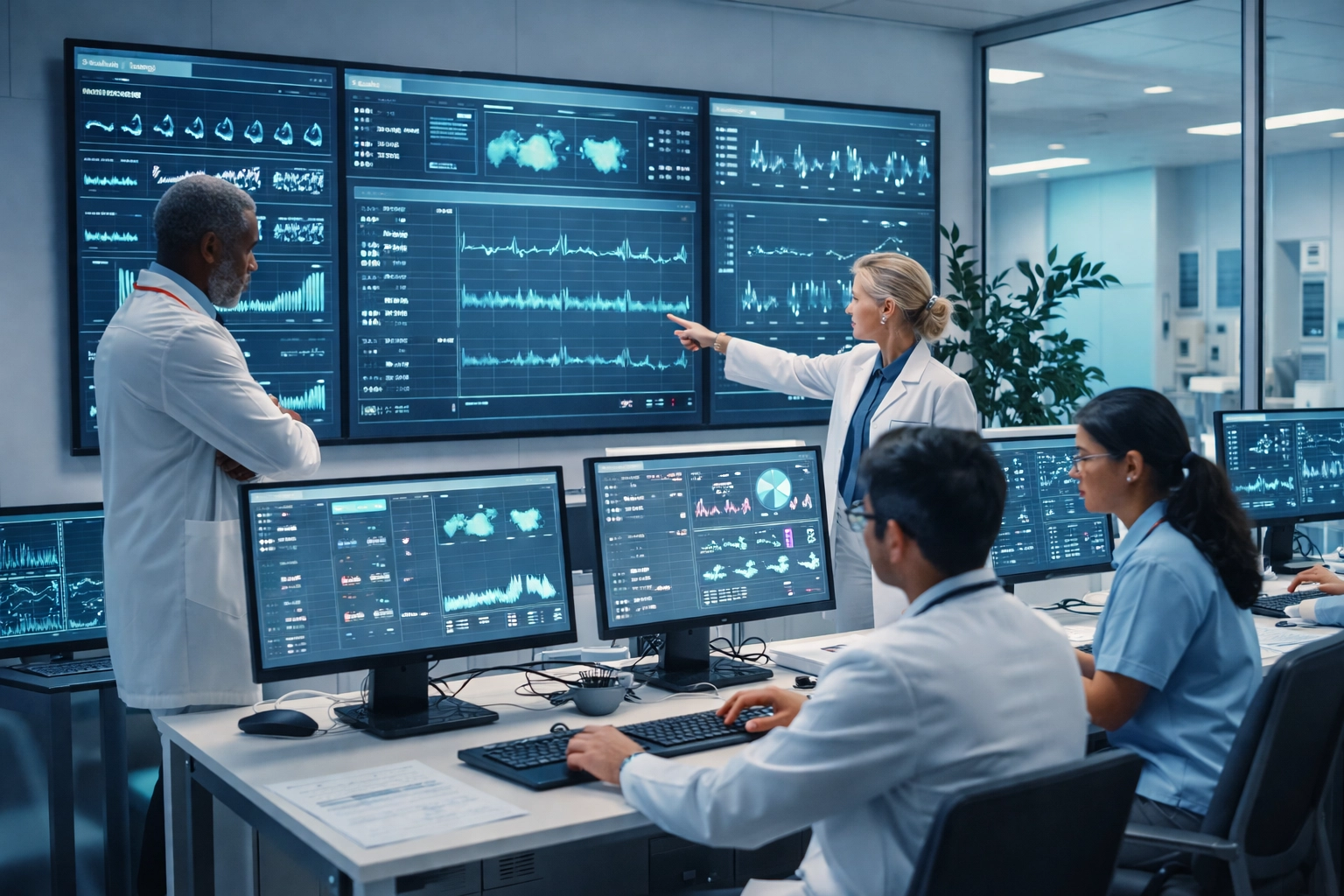
This isn't science fiction. It's happening now in hospitals, clinics, and home health settings across the country. And the results are transforming patient outcomes.
The Three Pillars: How Predictive Analytics Works
To understand predictive analytics in healthcare, you need to know its three complementary components:
1. Descriptive Analytics
This analyzes historical data to understand what has happened with similar patients. It establishes patterns and baselines that inform everything else.
2. Predictive Analytics
Building on those patterns, predictive models forecast what could happen based on past data. Will this patient be readmitted within 30 days? Are they at risk for sepsis? These questions get answers before problems escalate.
3. Prescriptive Analytics
The final piece recommends specific, evidence-based interventions. It doesn't just tell you a patient is at risk: it suggests what to do about it, creating alerts and action items for clinical teams.
When these three work together within an electronic health record system, clinicians gain a comprehensive view that supports proactive, rather than reactive, care.
Early Risk Detection: The 30% Reduction in Hospitalizations
Here's where the impact becomes undeniable.
Studies consistently show that predictive analytics enables healthcare organizations to reduce hospital readmissions by approximately 30% through early risk identification. By flagging high-risk patients before their conditions deteriorate, care teams can intervene with preventive measures: adjusting medications, scheduling follow-up visits, or coordinating home health services.
Consider a patient with congestive heart failure. Traditional care models wait for symptoms to worsen before taking action. Predictive analytics, however, can detect subtle warning signs: weight fluctuations, changes in vital signs, medication adherence patterns: and alert the care team days or even weeks before a crisis.
That early warning window changes everything. It means:
Fewer emergency room visits
Reduced hospital stays
Lower healthcare costs
Better quality of life for patients
For healthcare organizations, this isn't just about better outcomes. It's about sustainability in an industry facing increasing pressure to deliver more with less.
Clinical Applications That Are Changing the Game
Predictive analytics isn't a one-trick pony. Its applications span the entire care continuum.
Improved Diagnostic Accuracy
AI-driven predictive tools can analyze multi-dimensional patient data to suggest potential diagnoses for clinician review. These systems excel at catching what humans might miss: flagging rare diseases, complex conditions, or subtle patterns that traditional diagnostic methods overlook.
The result? Fewer missed diagnoses, faster treatment initiation, and improved patient safety.
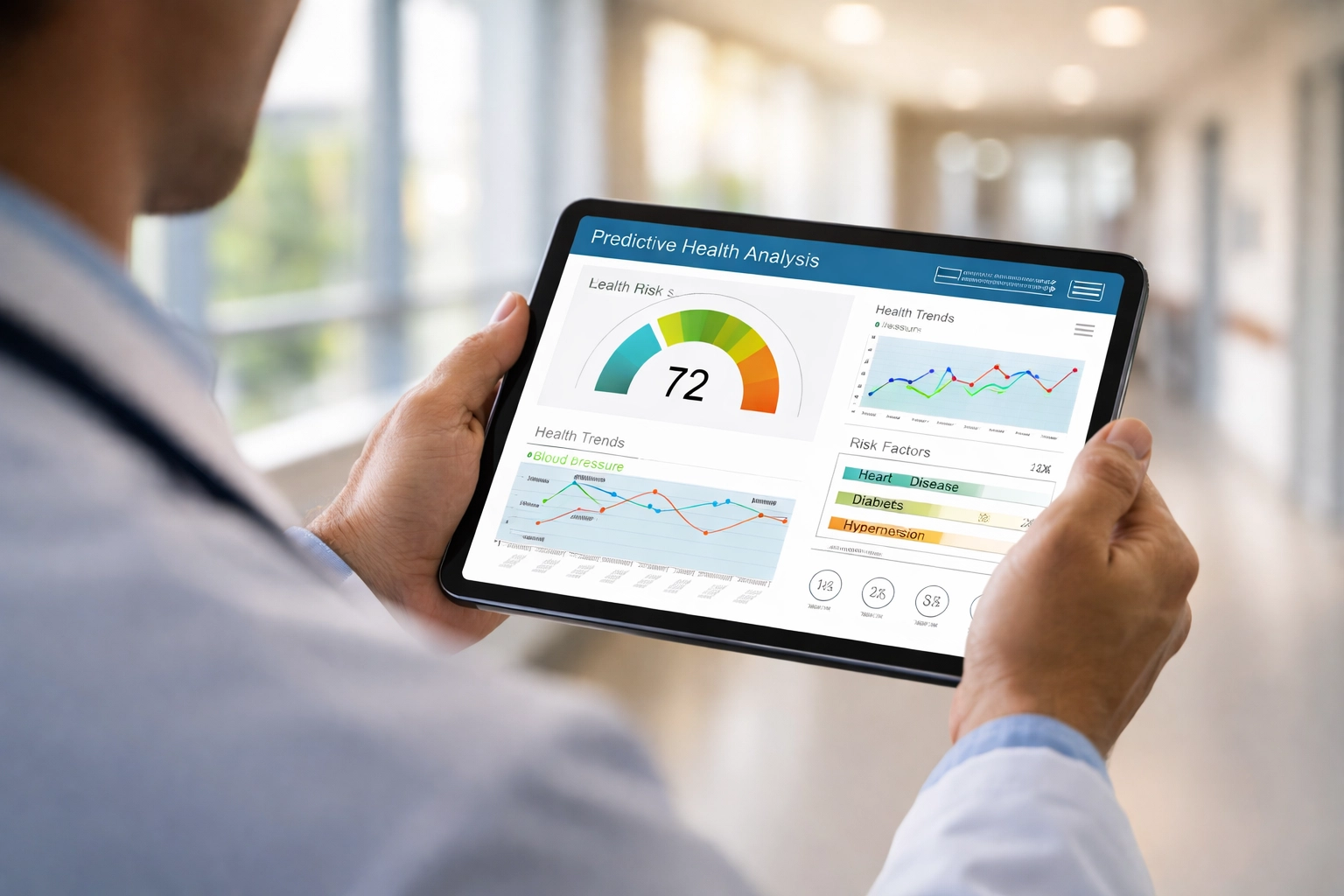
Personalized Treatment Planning
Every patient is different. Predictive analytics helps clinicians move beyond one-size-fits-all approaches to truly personalized care. Whether it's optimizing chronic pain management, tailoring cancer therapies, or adjusting diabetes treatment plans, these systems provide evidence-based recommendations prioritized by individual risk profiles and predicted outcomes.
Resource Optimization
Beyond individual patient care, predictive analytics helps health systems forecast operational needs. How many ICU beds will be needed next week? What staffing levels are required during flu season? By anticipating demand, organizations can allocate resources more efficiently and prepare for various scenarios.
This operational intelligence complements clinical applications, creating a more resilient healthcare system overall.
Real-Time Advantages: Speed When It Matters Most
In healthcare, timing is everything. A few hours: sometimes minutes: can mean the difference between a good outcome and a tragic one.
Real-time predictive analytics combines historical data with AI to provide human-readable forecasts for urgent situations. Emergency departments can achieve faster diagnoses. Cardiac issues can be detected rapidly. Deteriorating patients can be identified before they crash.

But speed isn't the only benefit. These systems also reduce clinician documentation burden through automated chart analysis and pre-filled recommendations. That means less time on paperwork and more time with patients.
For healthcare professionals already stretched thin, this efficiency gain is invaluable.
The Human Element: Supporting, Not Replacing, Clinicians
Let's be clear about something important: predictive analytics supports clinical judgment: it doesn't replace it.
These systems provide suggestions backed by clinical data and guidelines. They prompt additional review when warranted. They surface information that might otherwise be buried in complex patient records. But the final decision always rests with the clinician.
This partnership between human expertise and artificial intelligence represents the best of both worlds. Clinicians bring irreplaceable skills: empathy, contextual understanding, ethical judgment. AI brings computational power, pattern recognition, and tireless vigilance.
Together, they deliver better care than either could alone.
The Future Is Already Here
Predictive analytics in clinical decision support isn't a future possibility: it's a present reality. Healthcare organizations that embrace this technology now are positioning themselves for success in an increasingly data-driven industry.
The benefits are clear:
30% reduction in preventable hospitalizations
Faster, more accurate diagnoses
Personalized treatment plans
Optimized resource allocation
Reduced clinician burnout
For providers looking to stay ahead of the curve, the question isn't whether to adopt predictive analytics: it's how quickly they can implement it effectively.
Taking the Next Step
At CareMetric AI, we're building the tools that make real-time clinical decision support accessible and actionable. Our platform integrates seamlessly with existing workflows, providing clinicians with the insights they need exactly when they need them.
Ready to see how predictive analytics can transform your clinical operations? Explore our features or start your free trial today.
The future of healthcare isn't about working harder. It's about working smarter: with the right data, at the right time, for every patient.
Comments