.png)


Cardiology & Orthopedics: How AI Documentation Adapts to High-Stakes Specialties
Let's be real for a second. If you're a cardiologist or orthopedic surgeon, your day isn't exactly what most people would call "relaxed." You're dealing with complex cases, life-altering decisions, and patients who are counting on you to get it right. The last thing you need is a documentation system that slows you down or: worse: can't keep up with the specialized language you use every single day.
Here's the good news: AI documentation has come a long way. And the best tools out there? They're not one-size-fits-all. They're built to adapt to the unique demands of high-stakes specialties like yours.
Let's dig into how AI Smart Notes actually handles the complexity of cardiology and orthopedics: and why that matters for your practice.
The Documentation Challenge in High-Stakes Specialties
Cardiology and orthopedics aren't like your average primary care visit. The terminology is dense. The procedures are intricate. And the stakes? They're about as high as they get.
Think about a typical cardiology note. You're documenting ejection fractions, describing arrhythmias, noting the specifics of a coronary angiography, and detailing medication adjustments for anticoagulation therapy. One missed detail or incorrect term could lead to a billing denial, a compliance flag, or: in the worst case: a gap in patient care.
Orthopedics has its own set of challenges. You're describing surgical approaches, documenting post-operative protocols, and keeping track of implant specifics. The language is highly technical, and the documentation needs to be precise enough to support everything from follow-up care to insurance approvals.
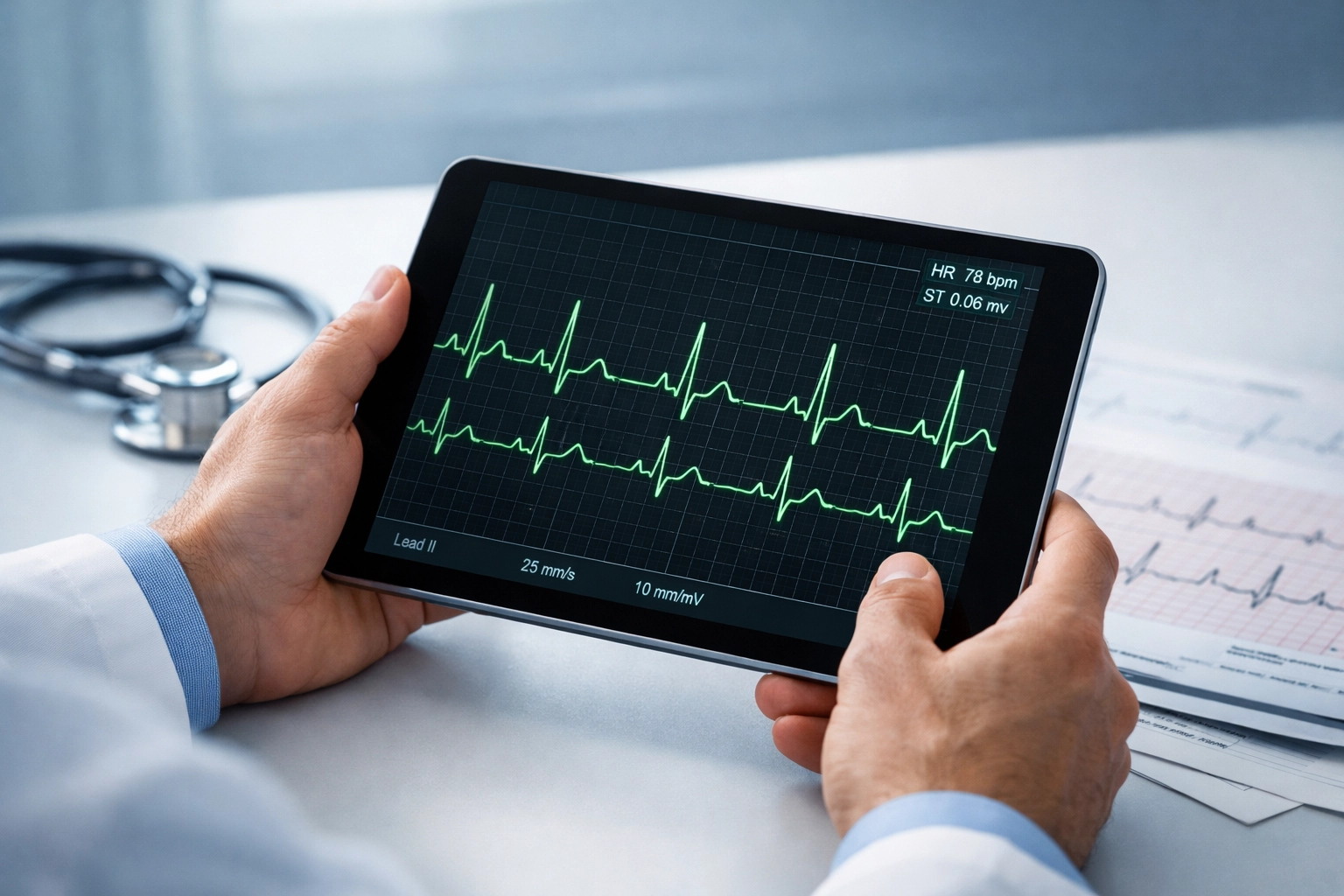
Traditional documentation methods just weren't built for this level of complexity. Generic templates force you into boxes that don't fit your workflow. Human scribes: even great ones: can struggle with specialty-specific terminology. And typing it all yourself? That's a fast track to burnout.
How AI Smart Notes Actually "Gets" Your Specialty
So how does AI documentation handle the unique demands of cardiology and orthopedics? It comes down to three key things: specialized training, adaptive workflows, and real-time intelligence.
Specialized Training on Medical Terminology
Modern AI documentation platforms aren't just trained on general healthcare language. The best ones are fine-tuned on data from dozens of specialties: including cardiology and orthopedics.
What does that mean in practice? It means when you dictate "patient presents with NSTEMI and underwent PCI with drug-eluting stent placement in the LAD," the AI doesn't stumble. It recognizes the terminology, understands the context, and generates a note that accurately reflects the clinical picture.
The same goes for orthopedics. Whether you're documenting a total knee arthroplasty, describing the approach for an ORIF, or noting the specifics of a rotator cuff repair, AI Smart Notes is equipped to handle the language you actually use: not some watered-down version of it.
This is a huge leap from earlier AI tools that would trip over anything more complex than "patient has a headache." If you've been burned by generic documentation software before, it's worth giving the newer, specialty-aware tools a fresh look.
Adaptive Workflows That Match How You Practice
Here's where things get really interesting. AI documentation isn't just about transcribing what you say. It's about fitting into your workflow: not forcing you into someone else's.
Cardiologists and orthopedic surgeons don't all practice the same way. Some prefer to dictate notes immediately after a procedure. Others like to batch their documentation at the end of the day. Some work in high-volume outpatient settings; others are primarily in the OR.
AI Smart Notes adapts to all of these scenarios. It uses speech recognition and natural language processing to extract the relevant clinical information from your dictation: whether that's a quick 90-second summary or a detailed procedural breakdown. And because it operates passively during (or after) the patient encounter, you can focus on what actually matters: the patient in front of you.

For practices looking to reduce documentation time without sacrificing quality, this flexibility is a game-changer. In fact, many clinicians report saving significant time each day: time that can go back to patient care or, you know, actually leaving the office before 8 PM.
If you're curious about how this plays out in real workflows, check out our post on 7 Workflow Hacks to Reduce Clinician Documentation Time by 70%.
Real-Time Compliance and Quality Checks
In high-stakes specialties, documentation isn't just about recording what happened. It's about making sure your notes meet the standards required for billing, compliance, and quality reporting.
This is where AI really shines. AI Smart Notes doesn't just generate a note and call it a day. It runs real-time validation checks to flag potential issues: like missing elements that could trigger a Medicare audit or terminology that doesn't align with coding requirements.
For cardiologists, this might mean catching a note that's missing the medical necessity documentation for a stress test. For orthopedic surgeons, it could be flagging a post-op note that doesn't adequately describe the procedure for proper reimbursement.
This kind of live compliance checking acts as a safety net, helping you avoid the headaches of denied claims and audit flags. It's like having a compliance expert looking over your shoulder: except it's instant, it's always on, and it doesn't take coffee breaks.
Want to dive deeper into how real-time compliance works? We've got you covered: Why Real-Time Compliance Checking is the Secret to Stress-Free Audits.
The Bottom Line: AI That Works as Hard as You Do
Cardiology and orthopedics demand precision, speed, and expertise. Your documentation tools should be no different.
AI Smart Notes is built to handle the complexity of high-stakes specialties. It understands your terminology. It adapts to your workflow. And it gives you real-time support to keep your notes compliant and complete.
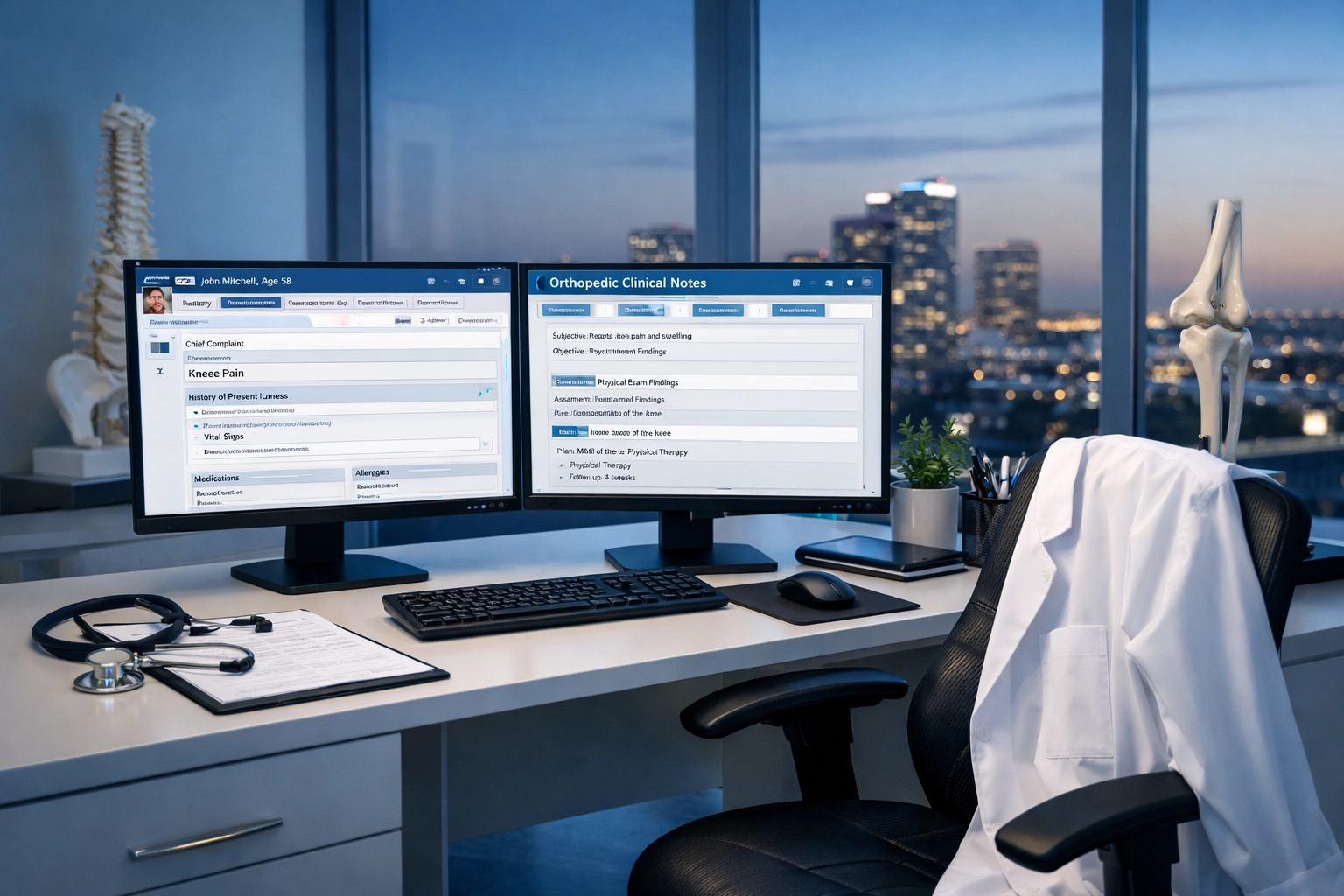
The result? Thorough, consistent documentation that supports accurate clinical decisions: without eating up hours of your day.
If you're still on the fence about AI documentation, here's my challenge: try it for yourself. See how it handles your actual cases, your actual language, and your actual workflow.
Start your 14-day free trial at CareMetric AI and experience the difference firsthand. No strings attached: just smarter documentation for the work you're already doing.
Quick Recap: Why AI Smart Notes Works for Cardiologists and Orthopedic Surgeons
Specialty-specific training: Handles complex medical terminology without stumbling over acronyms or procedures.
Adaptive workflows: Fits into how you actually practice, whether you're in the clinic or the OR.
Real-time compliance checks: Catches potential issues before they become audit nightmares.
Time savings: Get hours back in your week without sacrificing documentation quality.
High-stakes specialties deserve high-performance tools. AI Smart Notes delivers.
Ready to see it in action? Grab your free 14-day trial now and take the first step toward documentation that actually works for you.
Comments