.png)


Stop Ignoring Predictive Analytics Alerts: 5 Ways to Make Risk Scores Work in Your Daily Workflow
- kdeyarmin
- Jan 30
- 5 min read
Let's be honest: you've probably dismissed a predictive analytics alert today. Maybe it was buried in a sea of notifications, or maybe you thought "I'll check it later" and then forgot. You're not alone. Studies show that when healthcare teams receive more than 50 alerts per week, engagement drops by 15%. That's not because clinicians don't care: it's because the system isn't working.
Predictive analytics in healthcare has massive potential to identify at-risk patients before crises happen. But if those insights just become noise, what's the point? The good news? You can turn these tools from background clutter into genuine workflow assets. Here's how.
1. Standardize Your Alert Formats (So Your Brain Can Actually Process Them)
When every alert looks different: one in your EHR, one in Slack, another via email: your brain has to work overtime just to decode the format before you even get to the content. That cognitive load adds up fast.
What this looks like in practice:
Create a consistent structure for all risk alerts. Each one should include:
Patient identifier and location
Risk score (with clear threshold context: low, medium, high, critical)
What triggered the alert (e.g., vitals trending outside parameters, missed medication windows, behavioral changes)
Expected vs. actual values
Timeframe evaluated
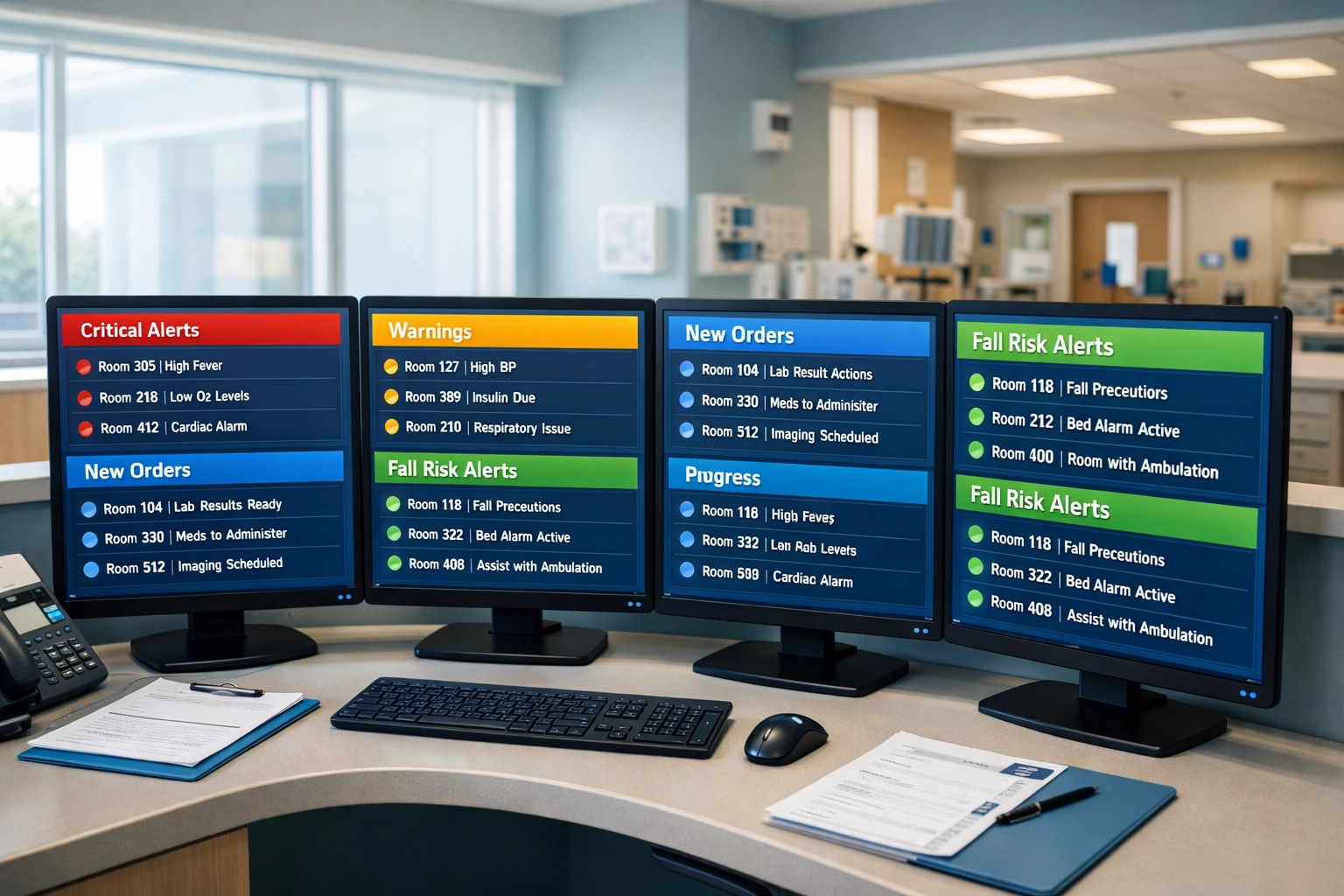
When your team knows exactly where to look for key information every single time, response speeds improve dramatically. You're not deciphering: you're deciding and acting.
Think of it like hospital codes. "Code Blue" works because everyone instantly knows what it means and what to do. Your predictive alerts deserve the same clarity.
2. Make Every Alert Immediately Actionable
An alert that says "Patient risk score elevated" without context is basically useless. It's like a smoke detector that beeps but won't tell you which room has the fire.
The fix: Every alert should include a clear next step or link to a protocol.
For example:
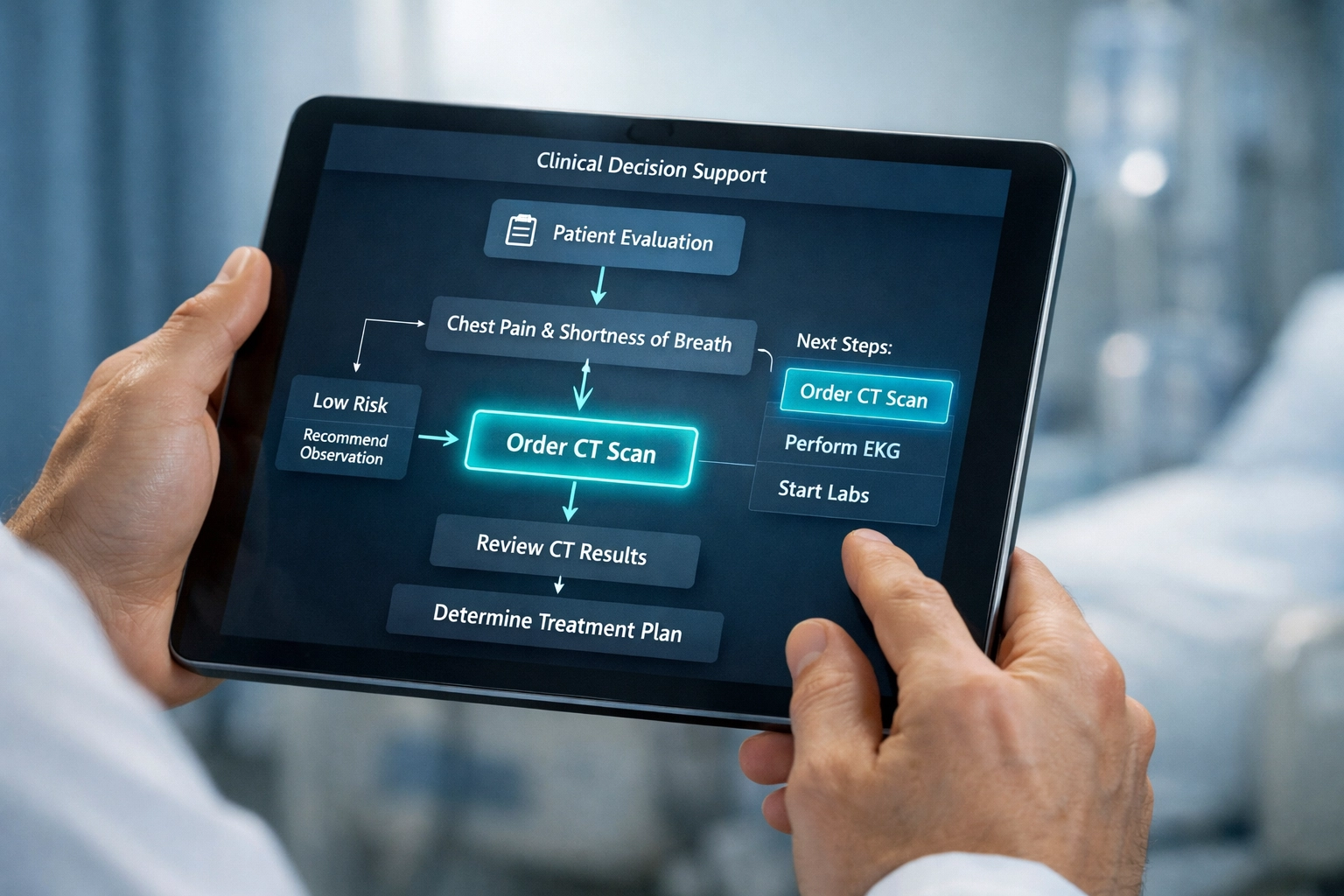
Fall risk alert → Links to current fall prevention plan and suggests interventions based on the specific risk factors identified
Readmission risk spike → Shows the patient's recent discharge summary, current medications, and suggests a wellness check or care coordination call
Sepsis risk indicators → Provides the latest vitals trend, suggests specific assessments, and links to your facility's sepsis protocol
Even better, build standard playbooks for common scenarios. When your night shift nurse gets a respiratory distress alert, they should immediately see: "Check O2 sat, review breathing rate trend over last 4 hours, consider PRN interventions, escalate if X or Y criteria met."
This isn't just helpful: it's empowering. Clinicians don't want to ignore alerts. They want to help. Give them the tools to act confidently and quickly.
3. Fight Alert Fatigue with Smart Filtering
Here's the brutal truth: if everything is urgent, nothing is urgent. Alert fatigue is real, and it's dangerous. When your system cries wolf too often, teams start tuning out: and that's when genuinely critical situations get missed.
Intelligent filtering strategies:
Time-based suppression: If you've already been alerted that Mrs. Johnson's blood pressure is trending high, you don't need five more alerts over the next hour saying the same thing. Suppress duplicates within a reasonable timeframe.
Dependency awareness: When a patient's primary issue (like dehydration) triggers secondary alerts (elevated heart rate, decreased output), suppress the downstream alerts. Fix the root cause, and the others resolve.
Business hour routing: Not every medium-risk alert needs to wake someone at 3 AM. Route non-critical notifications to day shift when appropriate support staff are available.
Escalation paths: Set up automatic escalation for unacknowledged critical alerts. If a high-risk notification hasn't been addressed in 15 minutes, it should escalate to a supervisor or on-call provider.
The goal isn't to ignore alerts: it's to ensure the ones that reach you actually matter and require your immediate attention.
4. Prioritize Based on Real Patient Impact, Not Just Numbers
A risk score is just a number until you connect it to actual patient outcomes. Not all "high risk" situations carry the same weight.
Context-aware prioritization means considering:
Patient acuity and complexity: An 85-year-old with multiple comorbidities and a moderate fall risk score might need more immediate attention than a stable 60-year-old with the same score
Recent care transitions: A patient discharged two days ago with an elevated readmission risk score should jump higher in your priority queue
Resource availability: If your team is already managing two critical situations, medium-risk alerts might need to wait: but the system should flag that delay
Historical patterns: A patient who frequently triggers alerts but remains stable needs a different response than someone whose first-ever alert just fired
This is where AI-powered clinical documentation tools really shine. They can integrate multiple data points: recent notes, medication changes, social determinants of health: and provide context that helps you make smarter triage decisions.
Your predictive analytics should answer: "Who needs me most, right now, given everything I know?" Not just "who has the highest number?"
5. Leverage Predictive Capabilities Before Problems Escalate
The real power of predictive analytics isn't reacting faster: it's acting before you have to react at all.
Proactive interventions based on early indicators:
Traditional alerting systems wait for thresholds to be crossed. Predictive systems spot patterns that suggest a threshold is about to be crossed, giving you a window to intervene.
For example:
A gradual decline in mobility over three days might predict a fall risk increase before vitals change
Subtle medication adherence patterns could flag readmission risk a week before discharge
Small behavioral changes might indicate mental health concerns before a crisis emerges
When you can see these trends developing, you have time for gentle course corrections instead of emergency interventions. Schedule a check-in call. Adjust a care plan. Connect with family. These small actions prevent big problems.
Think of it like maintaining a car. You don't wait for the engine to fail: you change the oil based on predictive maintenance schedules. Your patients deserve the same proactive approach.
Making It All Work Together
Here's what this looks like in a real workflow:
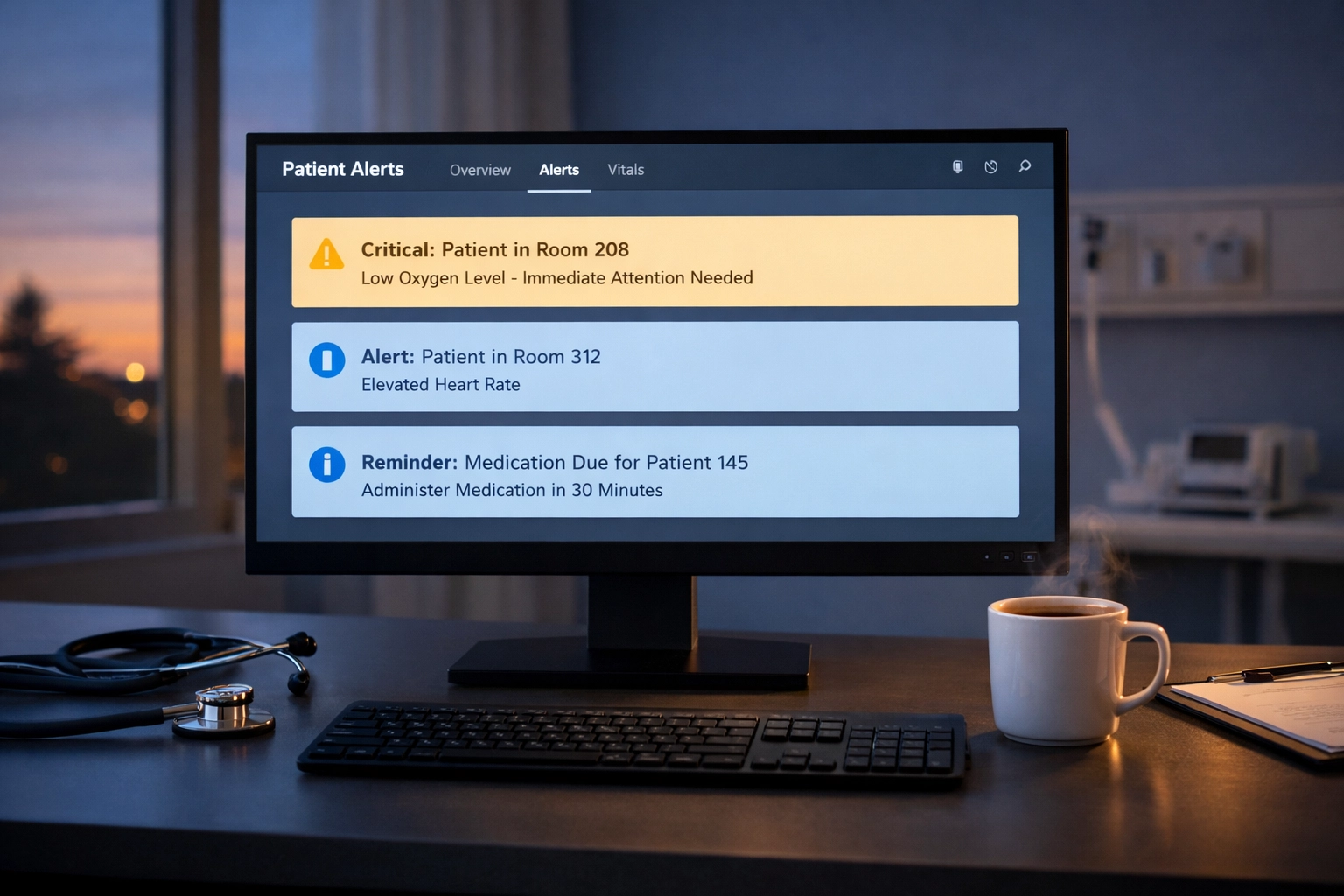
It's Tuesday morning. You open your dashboard and see three risk alerts, all clearly formatted and prioritized:
You immediately address Mr. Davis (critical always comes first), document your interventions directly in the system, and the alert auto-resolves. You schedule a call with Mrs. Thompson's pharmacy to coordinate medication delivery and education: handled before she ends up back in the hospital. Ms. Garcia gets flagged for your afternoon care plan review.
By lunch, you've prevented a potential sepsis case from escalating, stopped a likely readmission, and adjusted care plans to keep a patient safe. None of this required you to dig through mountains of data or ignore dozens of useless alerts.
That's predictive analytics working with you, not against you.
Ready to Make Risk Scores Actually Useful?
Predictive analytics should feel like having an extra set of eyes watching out for your patients: not like another administrative burden dumped on your already-full plate.
The difference between systems that get ignored and systems that save lives comes down to thoughtful implementation. When alerts are clear, actionable, filtered intelligently, prioritized meaningfully, and genuinely predictive, they become powerful clinical tools.
CareMetric AI is built around this philosophy. Our platform delivers smart, context-aware alerts that integrate seamlessly into your workflow, helping you identify patient risks early without the noise and fatigue.
Want to see how it works in your practice? Start your 14-day free trial and experience predictive analytics that actually helps you provide better care: not just more alerts.
Your patients are counting on you. Your tools should make that job easier, not harder.
Comments