.png)


Early Detection, Better Outcomes: Using AI Predictive Analytics for Sepsis and AKI
- kdeyarmin
- Jan 30
- 5 min read
Every year, sepsis claims over 270,000 lives in the United States alone. Acute Kidney Injury (AKI) affects up to 20% of hospitalized patients and significantly increases mortality risk. What's particularly frustrating? Many of these outcomes could be prevented with earlier intervention.
The challenge isn't that clinicians don't care: it's that traditional monitoring methods simply can't keep pace with the complexity of patient data streaming in every minute. By the time warning signs become obvious in a chart review, the window for optimal intervention may have already closed.
This is where AI predictive analytics is fundamentally changing the game.
The Problem with Traditional Detection Methods
In conventional clinical settings, sepsis and AKI detection relies heavily on periodic assessments, lab result reviews, and clinical judgment based on observable symptoms. Here's the issue: these conditions often develop rapidly, and early warning signs can be subtle or easily missed among dozens of other patient data points.
A nurse checking vitals every four hours might miss the gradual trend toward septic shock. A physician reviewing morning labs might not catch the subtle creatinine elevation that signals early kidney injury. It's not a failure of competence: it's a limitation of human bandwidth when managing multiple complex patients simultaneously.
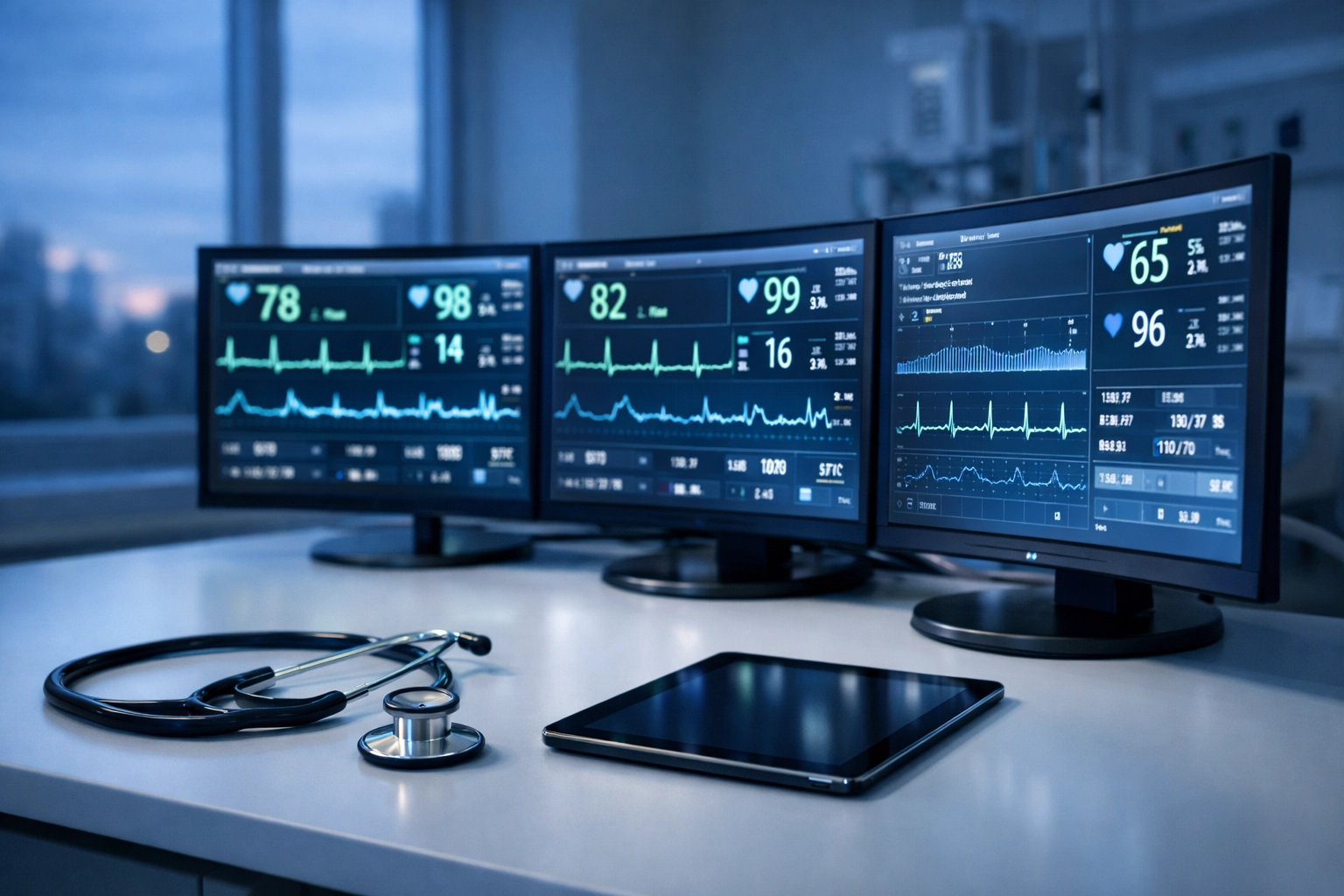
Traditional screening tools like SIRS criteria or SOFA scores help, but they're reactive. They identify patients who are already showing signs of these conditions, not those at highest risk before symptoms become severe. That delay in detection translates directly to worse patient outcomes and longer, more expensive hospitalizations.
How AI Predictive Analytics Changes the Game
Modern AI systems don't just monitor: they predict. By continuously analyzing hundreds of data points simultaneously, these platforms can identify risk patterns that precede obvious clinical deterioration by hours or even days.
Real-time clinical decision support powered by AI works fundamentally differently than traditional monitoring. Instead of waiting for threshold violations (like a fever above 101°F or a specific blood pressure reading), predictive algorithms assess the trajectory of multiple variables together.
For sepsis, this means analyzing vital signs, lab results, medication administration, demographics, medical history, and even subtle changes in white blood cell differentials: all at once. For AKI, AI examines creatinine trends, urine output patterns, medication nephrotoxicity risks, fluid balance, and comorbidity factors in real-time.
The system isn't replacing clinical judgment. It's augmenting it by flagging high-risk patients before they reach crisis points, giving care teams the critical advantage of time.
Real-World Evidence: The Numbers Don't Lie
The clinical evidence supporting AI predictive analytics for early detection is compelling and growing rapidly.
UC San Diego's COMPOSER algorithm demonstrated a 17% reduction in mortality when deployed in emergency departments. The system continuously monitors over 150 patient variables to identify sepsis risk before obvious symptoms appear: catching cases that traditional screening might miss entirely.
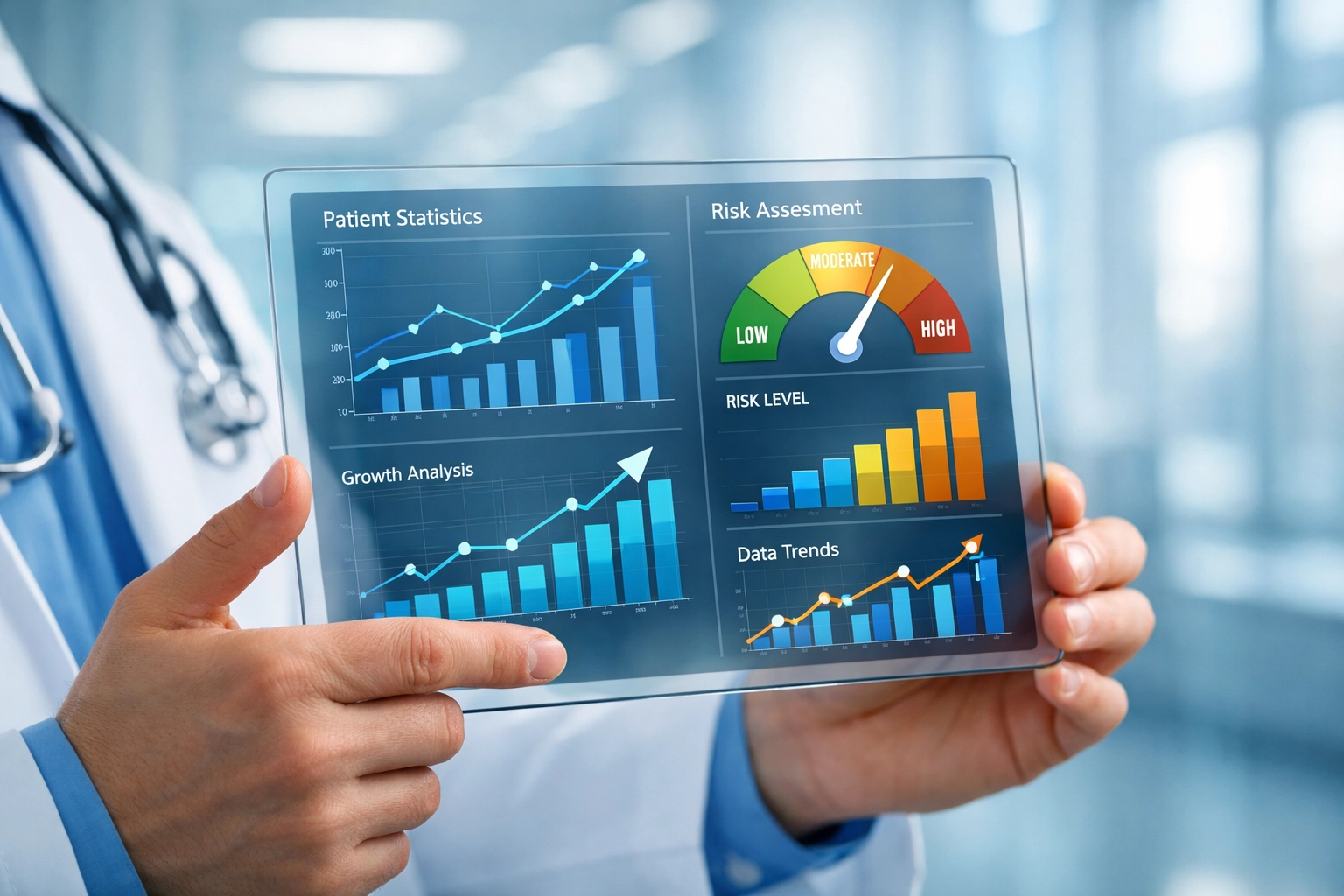
Johns Hopkins' Targeted Real-Time Early Warning System (TREWS) identified 82% of sepsis patients early and could predict sepsis onset 12 hours ahead of time with impressive accuracy (sensitivity and specificity both at 0.87). Compared to unaided physician predictions, TREWS has the potential to increase early detection by up to 32% while simultaneously reducing false positives by 17%.
Perhaps most impressive: recent AI systems using routine blood count data can provide sepsis risk assessment within minutes rather than the 3 days typically required for traditional bacterial culture confirmation. These machine learning models achieved accuracy rates (AUC) between 0.88-0.89, with positive predictive values ranging from 0.73-0.76.
For AKI, similar predictive models have demonstrated the ability to identify high-risk patients 24-48 hours before traditional diagnostic criteria are met, enabling interventions like medication adjustments, fluid management optimization, and contrast avoidance that can prevent progression to severe kidney injury.
The Impact: Reducing Hospitalizations by Up to 30%
Early detection isn't just about identifying problems: it's about enabling interventions when they're most effective and least invasive.
When sepsis is caught in its earliest stages, treatment might involve fluid resuscitation, timely antibiotics, and close monitoring: interventions that can often be managed in an emergency department or step-down unit. When caught late, the same patient may require ICU admission, mechanical ventilation, vasopressor support, and weeks of recovery.
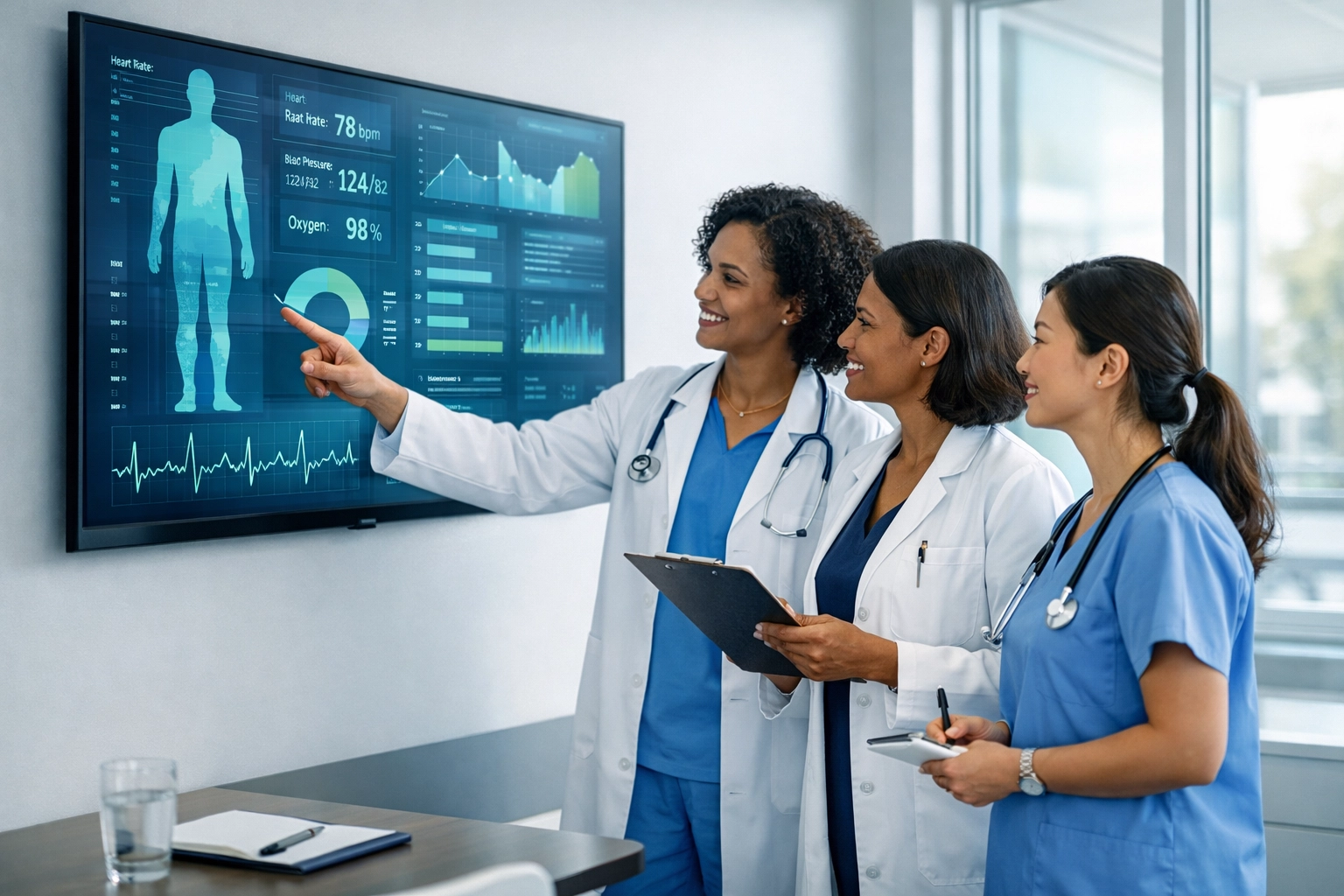
The same principle applies to AKI. Early identification allows for proactive nephroprotective strategies: holding nephrotoxic medications, adjusting drug dosing, optimizing hemodynamics, and avoiding additional insults to kidney function. Late detection often means dialysis, extended hospital stays, and increased risk of chronic kidney disease.
Studies consistently show that AI-powered early detection systems reduce hospital admissions, shorten length of stay, and decrease ICU utilization: with some implementations achieving hospitalization reductions of 25-30% for high-risk patients. The financial impact is substantial: preventing just one septic shock ICU admission can save a health system $50,000 or more.
More importantly, patients experience better outcomes, fewer complications, and faster recovery trajectories.
How It Works in Your Practice: Real-Time Clinical Decision Support
Modern predictive analytics platforms integrate seamlessly into existing clinical workflows. Rather than requiring clinicians to check yet another dashboard, alerts are pushed directly into electronic health records, mobile devices, or nursing stations when risk thresholds are exceeded.
Here's what real-time clinical decision support looks like in practice:
Continuous Monitoring: The AI system analyzes every vital sign update, lab result, medication administration, and documentation entry as it enters the patient record. There's no delay, no batch processing, no waiting for someone to review the data.
Risk Stratification: Instead of binary alerts (sick/not sick), AI provides nuanced risk scores that help care teams prioritize. A patient with a 15% sepsis risk might warrant increased monitoring. A patient at 70% risk triggers immediate clinical evaluation.
Actionable Insights: The best systems don't just say "high risk": they explain why. "Sepsis risk elevated due to: rising lactate (3.2), new fever (101.4°F), declining MAP (62), recent antibiotic discontinuation." This transparency helps clinicians make informed decisions quickly.
Reduced Alert Fatigue: By combining multiple subtle signals rather than triggering on single-variable thresholds, AI systems can actually reduce the total number of alerts while increasing their clinical relevance. Fewer false alarms mean clinicians trust and respond to the alerts that do fire.
The Future Is Proactive, Not Reactive
Healthcare has traditionally operated in reactive mode: waiting for problems to present, then responding. Predictive analytics represents a fundamental shift toward proactive care.
Imagine a future where every patient admitted to your facility receives an individualized risk profile for dozens of potential complications. Where deterioration is anticipated and prevented rather than treated after it occurs. Where clinicians spend less time putting out fires and more time providing thoughtful, preventive care.
That future is already here. The technology exists, the evidence is clear, and early adopters are seeing measurable improvements in both patient outcomes and operational efficiency.
Start Your Journey Toward Better Outcomes Today
AI predictive analytics for sepsis and AKI detection isn't experimental technology: it's a proven clinical tool that's saving lives and reducing costs in healthcare systems around the world.
If you're ready to give your care team the advantage of early warning and real-time clinical decision support, CareMetric AI offers the sophisticated analytics and seamless integration you need.
Start your 14-day free trial today and discover how predictive analytics can transform patient care in your practice. No commitment, no credit card required: just the opportunity to see firsthand how early detection creates better outcomes for the patients who depend on you.
Because in healthcare, minutes matter. And with AI predictive analytics, you'll have those critical minutes back.
Comments